
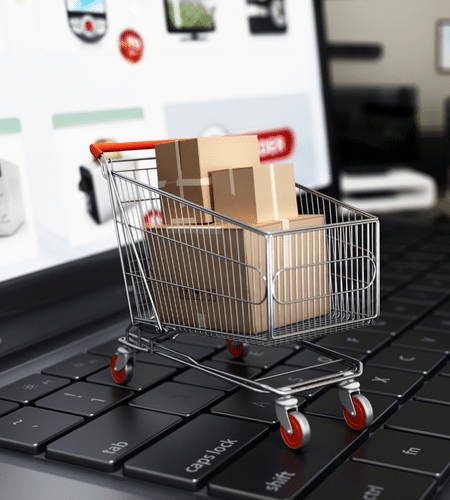
Globally and in South Africa online shopping has transformed the retail landscape, and online shopping platforms have made it easier for consumers to access a wide range of products. However, this convenience has also increased the challenge of ensuring that products sold online are safe, compliant, and accurately represented.
Trust in these platforms gathered speed as they became a part of our daily lives. Early attempts at purchases often were met with our banks refuting payments or indicating warnings of dubious payments being made. Over time this was overcome as site/s established credible processes for payment and actual products were being delivered.
Can Consumers Trust the Products They Buy Online?
Consumers automatically trust online brands and believe their payments are secure and that their sensitive information, including credit card details and personal data, is protected. The question however remains whether consumers are informed enough about the security behind these transactions and whether this level of trust should be assumed.
What about the product(s) we purchase? Can these be trusted?
When purchasing, we need to ask is the delivered product exactly what was offered, the same as the supplied picture, the same size, or the same product volume?
And is the price fair? There are cases where the pricing appears so high it suggests price baiting.
Are Online Product Descriptions Accurate and Reliable?
Does the product description provide enough detail to help you determine whether the item is genuine and exactly as advertised? Or is it a lower-specification version, an imitation, replica, knockoff, or a counterfeit product?
The Challenge of Identifying Unsafe Online Products
While some non-compliant products are easy to identify, others require technical knowledge. Many electrical items offer no obvious warning signs and consumers assume that the products they purchase are not only safe but also compliant.
Who Regulates Online Product Safety?
Consumers need to be able to trust the brands on offer, but many products are sold under unfamiliar or “no-name” brands by unknown suppliers. Many of these items are required to comply with recognised standards or compulsory specifications before they can legally be sold locally. When they arrive in the country without adequate checks, they become more difficult for the NRCS regulator to identify, particularly as there is no physical retail outlet to inspect.
Product and seller verifications are not always conducted, by some online shopping platforms, making it more challenging to ensure that only compliant products are sold.
Consumers Are Not Protected When Online Marketplaces Fail
If the online site does not have any vetting of what is offered and even highly negative reviews are not reacted upon, there is no one to assist the consumer.
The NRCS is not completing its mandate to protect the public, and it has become impossible to find the source of sellers.
The Risks of Unregulated Online Products
Safety is compromised if the items are sold into the public domain without any regulation oversight.
Vendors are not being checked, as there are no actual stores for the NRCS to check.
Illicit products being dumped into the country are undercutting legitimate sellers.
If these micro vendors are indeed identified and deleted off the online platforms, they simply change their names and are back in business.
Example: Non-Compliant Electrical Product
3-Pin Plug Adapter Compliance Concerns
3-Pin Plug Adapter: This adapter can be visually identified as non-compliant because the 2-pin socket lacks the required shroud profile. The design predates amendments to the applicable specification and does not comply with the current compulsory standard, VC 8008. As a result, it would not qualify for the required Letter of Authority (LOA) and therefore cannot be legally approved for sale.

Many of the reviews are negative and all indicate not only poor quality but also dangerous failure.
Actual Consumer Reviews Highlight Safety Concerns
These are actual reviews from purchasers:
- My microwave’s 2-pin plug, plugged into this adapter, caught fire. Luckily, I smelled it and unplugged it. (Surely a microwave is required to be earthed?)
- All 3 plugs ended up burning; they ruined my appliances.
- The quality of this product feels very poor; the two-prong plugs just fall out of this adapter.
- Destitute quality. Appliances don’t even fit properly into the plug adapter. Don’t waste your money. I returned it.
- This plug is not easily found in the shops (yes, because it is non-compliant!); it’s perfect, as any twin-plugged product can be used with it, with no limitation like other twin plugs.
- They didn’t work at all. What a waste of time and money.
Notwithstanding this review status, this product is still being offered on one of the largest online sites.
Consumer awareness is the first line of protection.
If regulators, platforms, and sellers cannot always guarantee that every product reaching the consumer is safe and compliant, consumers need the knowledge to identify risks before they become victims.
Safehouse aims to create a safer online marketplace for everyone.
Globally and in South Africa online shopping has transformed the retail landscape, and online shopping platforms have made it easier for consumers to access a wide range of products. However, this convenience has also increased the challenge of ensuring that products sold online are safe, compliant, and accurately represented.
Trust in these platforms gathered speed as they became a part of our daily lives. Early attempts at purchases often were met with our banks refuting payments or indicating warnings of dubious payments being made. Over time this was overcome as site/s established credible processes for payment and actual products were being delivered.
Can Consumers Trust the Products They Buy Online?
Consumers automatically trust online brands and believe their payments are secure and that their sensitive information, including credit card details and personal data, is protected. The question however remains whether consumers are informed enough about the security behind these transactions and whether this level of trust should be assumed.
What about the product(s) we purchase? Can these be trusted?
When purchasing, we need to ask is the delivered product exactly what was offered, the same as the supplied picture, the same size, or the same product volume?
And is the price fair? There are cases where the pricing appears so high it suggests price baiting.
Are Online Product Descriptions Accurate and Reliable?
Does the product description provide enough detail to help you determine whether the item is genuine and exactly as advertised? Or is it a lower-specification version, an imitation, replica, knockoff, or a counterfeit product?

The Challenge of Identifying Unsafe Online Products
While some non-compliant products are easy to identify, others require technical knowledge. Many electrical items offer no obvious warning signs and consumers assume that the products they purchase are not only safe but also compliant.
Who Regulates Online Product Safety?
Consumers need to be able to trust the brands on offer, but many products are sold under unfamiliar or “no-name” brands by unknown suppliers. Many of these items are required to comply with recognised standards or compulsory specifications before they can legally be sold locally. When they arrive in the country without adequate checks, they become more difficult for the NRCS regulator to identify, particularly as there is no physical retail outlet to inspect.
Product and seller verifications are not always conducted, by some online shopping platforms, making it more challenging to ensure that only compliant products are sold.
Consumers Are Not Protected When Online Marketplaces Fail
If the online site does not have any vetting of what is offered and even highly negative reviews are not reacted upon, there is no one to assist the consumer.
The NRCS is not completing its mandate to protect the public, and it has become impossible to find the source of sellers.
The Risks of Unregulated Online Products
Safety is compromised if the items are sold into the public domain without any regulation oversight.
Vendors are not being checked, as there are no actual stores for the NRCS to check.
Illicit products being dumped into the country are undercutting legitimate sellers.
If these micro vendors are indeed identified and deleted off the online platforms, they simply change their names and are back in business.
Example: Non-Compliant Electrical Product
3-Pin Plug Adapter Compliance Concerns
3-Pin Plug Adapter: This adapter can be visually identified as non-compliant because the 2-pin socket lacks the required shroud profile. The design predates amendments to the applicable specification and does not comply with the current compulsory standard, VC 8008. As a result, it would not qualify for the required Letter of Authority (LOA) and therefore cannot be legally approved for sale.
Many of the reviews are negative and all indicate not only poor quality but also dangerous failure.
Actual Consumer Reviews Highlight Safety Concerns
These are actual reviews from purchasers:
- My microwave’s 2-pin plug, plugged into this adapter, caught fire. Luckily, I smelled it and unplugged it. (Surely a microwave is required to be earthed?)
- All 3 plugs ended up burning; they ruined my appliances.
- The quality of this product feels very poor; the two-prong plugs just fall out of this adapter.
- Destitute quality. Appliances don’t even fit properly into the plug adapter. Don’t waste your money. I returned it.
- This plug is not easily found in the shops (yes, because it is non-compliant!); it’s perfect, as any twin-plugged product can be used with it, with no limitation like other twin plugs.
- They didn’t work at all. What a waste of time and money.
Notwithstanding this review status, this product is still being offered on one of the largest online sites.

Consumer awareness is the first line of protection.
If regulators, platforms, and sellers cannot always guarantee that every product reaching the consumer is safe and compliant, consumers need the knowledge to identify risks before they become victims.
Safehouse aims to create a safer online marketplace for everyone.